The Odyssey (2026) Review: Christopher Nolan's Most Ambitious Film Yet
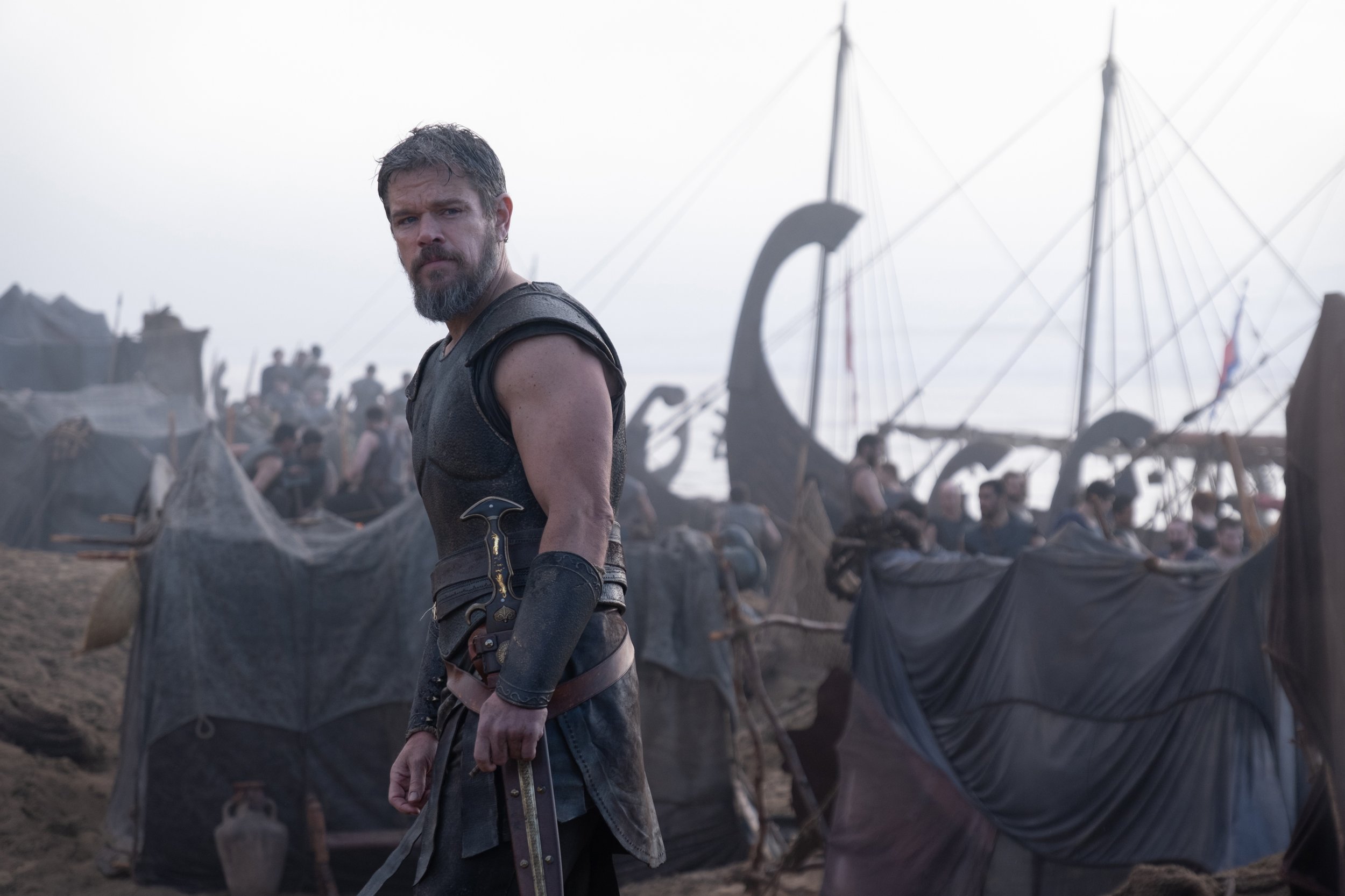
Like many modern blockbusters, The Odyssey has arrived with a flood of online opinions before most people have actually had the chance to see it. Plenty of audiences are familiar with Homer's classic, but much of the discussion surrounding Christopher Nolan's adaptation has felt focused on everything except the film itself. Now that it’s arrived, I can confidently say this was always meant to be a grand theatrical epic. Christopher Nolan's The Odyssey is exactly the kind of ambitious filmmaking audiences have come to expect from one of modern cinema's most visionary directors. Taking one of the oldest and most influential stories ever told and transforming it into a massive cinematic spectacle is no small feat, but Nolan embraces every bit of that challenge. The result is a film that doesn't just belong on the big screen—it demands it.
What's fascinating is that this isn't a project that came together overnight. Christopher Nolan has reportedly been drawn to this story for more than two decades. In the early 2000s, Wolfgang Petersen was originally attached to direct Troy for Warner Bros. Before production moved forward, however, Petersen was shifted to the studio's ambitious Batman vs. Superman project, opening the door for Nolan to step in as the new director of Troy. When Batman vs. Superman ultimately fell apart, Petersen returned to helm Troy, while Nolan moved on to develop another film with Warner Bros.: Batman Begins, a movie that would redefine both his career and the modern superhero genre.
Looking back, it's almost poetic that Nolan eventually found his way back to Greek mythology—this time entirely on his own terms. Every frame carries the confidence of a filmmaker who has spent decades imagining how to bring this ancient epic to life. It’s a film that feels both timeless and modern, honoring Homer's source material while presenting it in true Nolan-blockbuster fashion. It would be disappointing to go in a Nolan film and just get a retelling of this story, even if it is The Odyssey, and thankfully we don’t get that here. It’s grand, immersive, and unmistakably cinematic.
From its opening moments, The Odyssey establishes an incredible sense of scale. The film opens on the shores outside Troy in the immediate aftermath of the Trojan War, setting the stage for Odysseus' long and, surprisingly, haunting journey home. Every location in this film feels larger than life. Even something as familiar as the open sea is transformed into both a thing of breathtaking beauty and unimaginable terror. Every set piece is designed to overwhelm the senses, and for the most part it absolutely does. The practical craftsmanship is on full display, reminding us nobody does it quite like Christopher Nolan. The film carries a tangible weight that makes every battle, every voyage, and every obstacle feel fully realized. You don't just watch Odysseus' journey, you’re feeling it. The distance, the danger, and the passage of time.
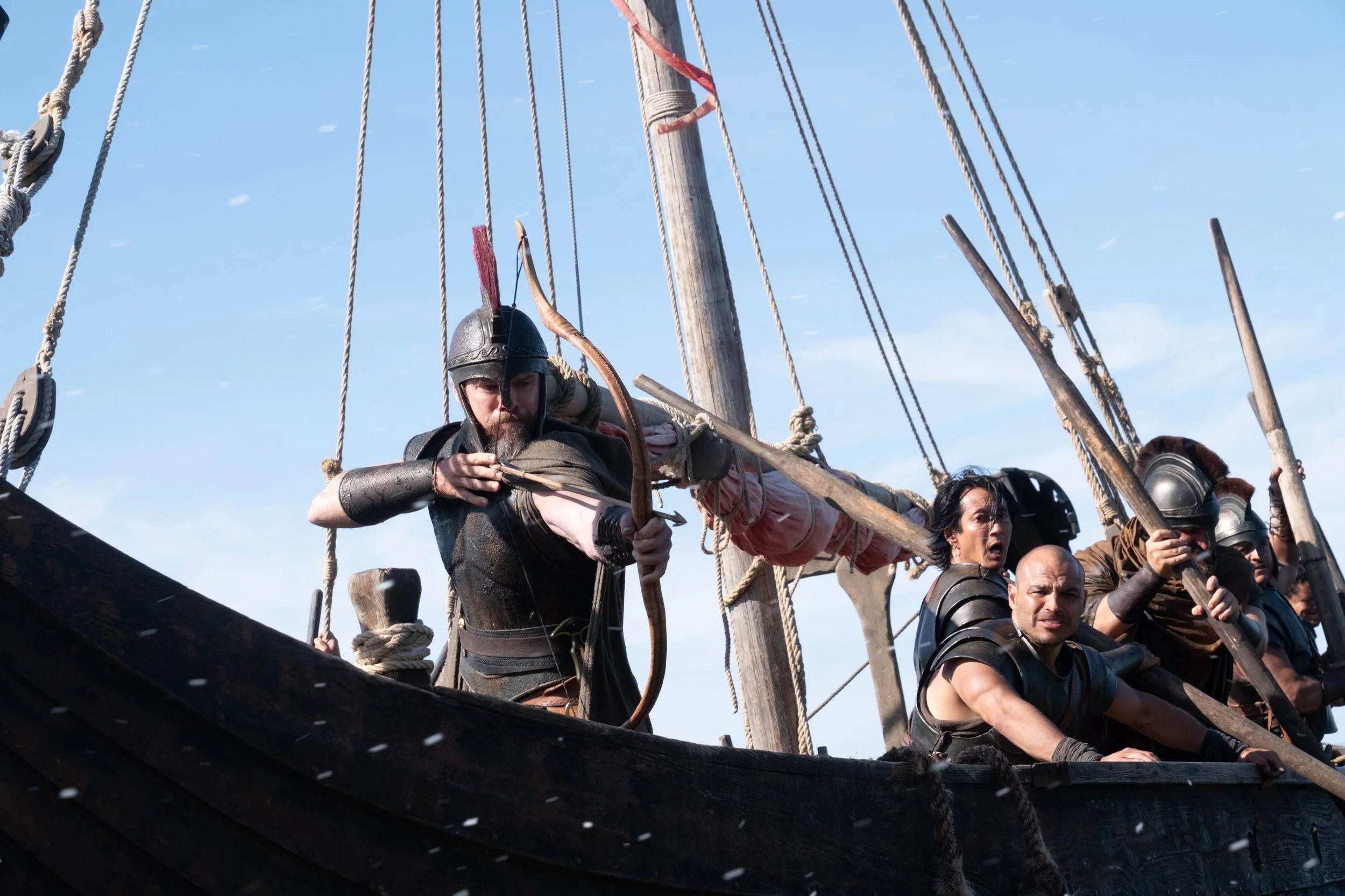
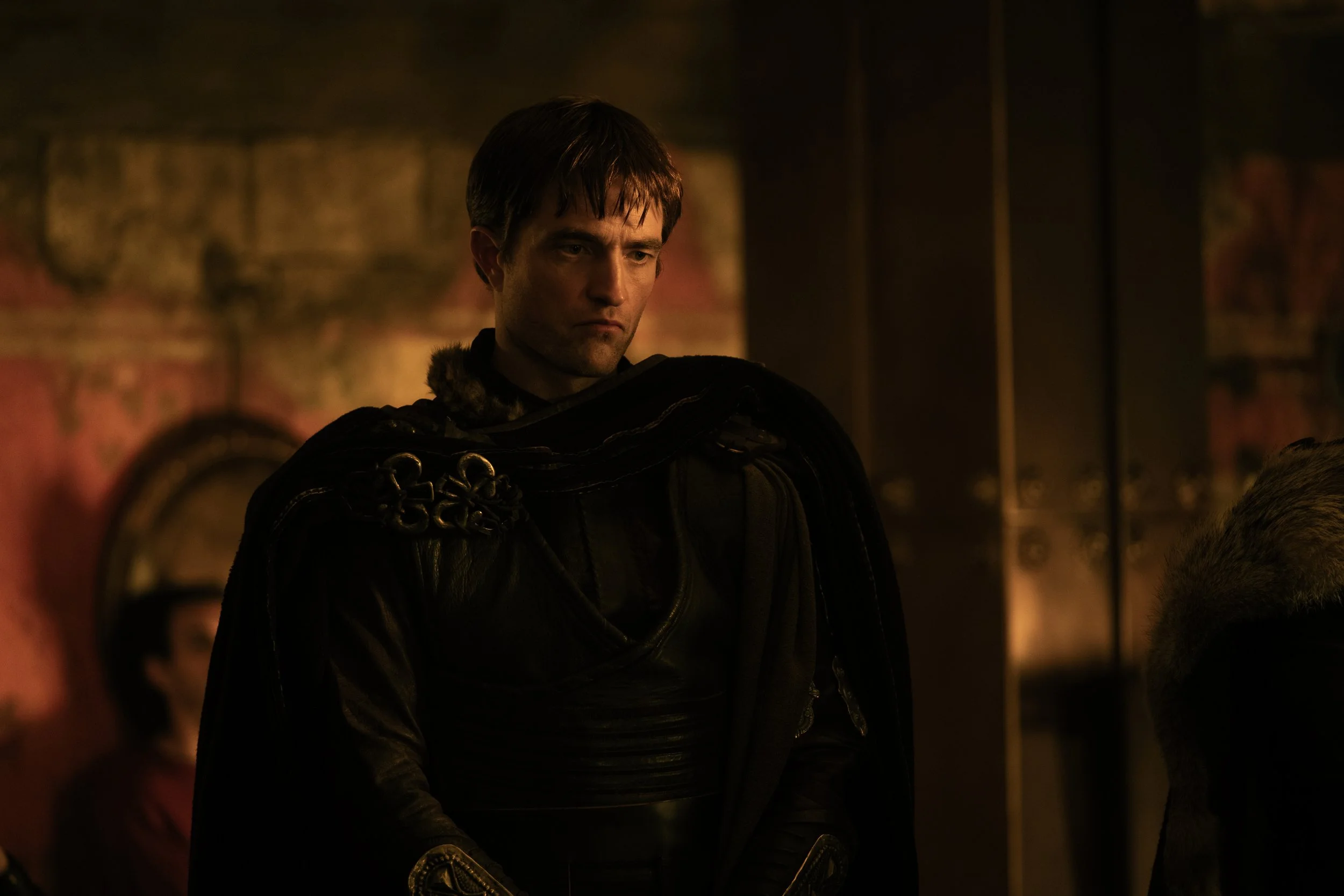
Aiding Nolan and the crew’s direction is the incredible cast. Matt Damon is phenomenal as Odysseus, portraying him as a man worn down by years of hardship, loss, and impossible choices. This whole film is very much Odysseus' story, following his decade-long journey home to Ithaca after the Trojan War, and Damon carries that burden remarkably. Waiting for him to return home is his wife Penelope, played by Anne Hathaway and his son Telemachus, played by Tom Holland. Holland delivers what may very well be a career-best performance—at least until a certain web-slinger returns to the big screen in a few weeks. With Odysseus presumed dead, Ithaca is left without its king, placing enormous pressure on Penelope as suitors descend upon the kingdom, each believing the throne is theirs for the taking. It’s here Hathaway truly shines, as you can feel her grapple with the weight of every decision she makes for her, her son, and Itacha. Her scenes become even more tense whenever Robert Pattinson's Antinous enters the frame. Robert Pattinson's career has been one of Hollywood's most impressive reinventions. After being pigeonholed by many audiences following The Twilight Saga, he's spent what seems to be the last decade proving himself as one of the industry's most versatile actors. The Odyssey is another reminder of that. As Antinous, he brings a commanding presence that's actually as intimidating as his brute portrayal of Bruce Wayne in The Batman. It's refreshing to see Pattinson lean fully into a ruthless antagonist, and even more interesting by the film's climax, where he's forced to confront just how outmatched he truly is.
Across the rest of the board, the performances are all great as well. Now, I do want to address the elephant in the room: the casting of Elliot Page as Sinon and Lupita Nyong'o as Helen of Troy. Both have received a fair amount of online backlash, but after seeing the film, I honestly think much of that discourse feels overblown. Between the two of them, they're on screen for only a small portion of the film's nearly three-hour runtime, and both serve the story exactly as they're meant to. Their performances are perfectly solid, and neither distracted me from the experience in the slightest.
What truly has stuck with me is the film's emotional core. The relationships between husband and wife, father and son, and the sacrifices each of them make throughout the story give The Odyssey its heart. Even amid towering action sequences, mythical encounters, and breathtaking visuals, Nolan never loses sight of the people at the center of the journey. It's that balance between intimate character drama and grand-scale filmmaking that allows The Odyssey to resonate long after its biggest set pieces have ended.
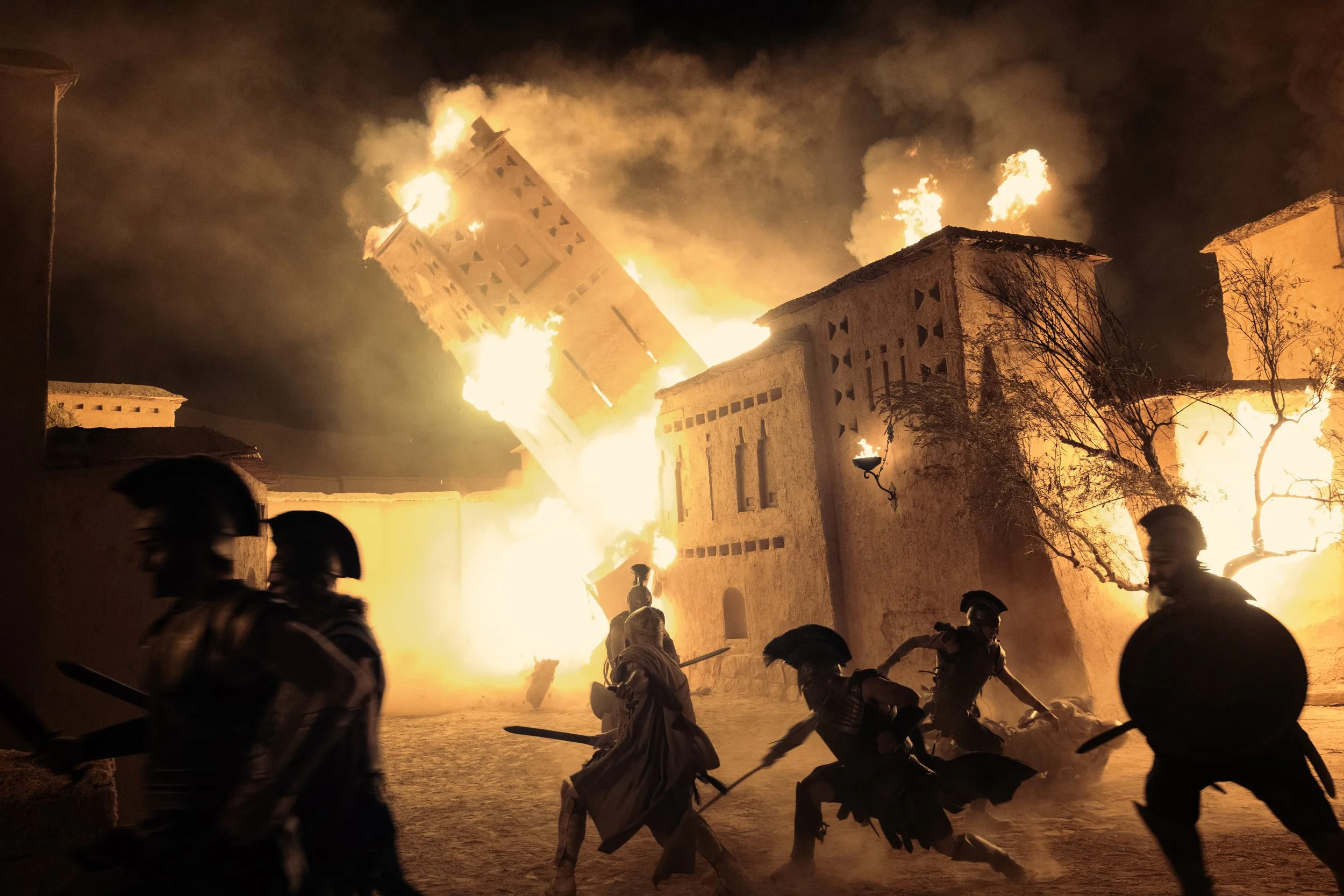
Visually, the film is breathtaking. A feast for the eyes. I got the chance to experience the film in 70mm IMAX, and it is one of the most gorgeously shot films I have ever seen. Nolan and his cinematography team create image after image that feels destined to be remembered long after the credits roll. Whether it's sprawling landscapes, intimate character moments, or thunderous action sequences, nearly every frame feels meticulously crafted. One sequence involving a massive ship—which some people may have caught glimpses of during production at Universal—is nothing short of astonishing. The scale of the scene, combined with the intensity of the sound design, makes for one of the film's most unforgettable moments. I'll admit, the power of the sequence was so overwhelming that my eyes were actually watering a bit during the action, but it never pulled me out of the experience. If anything, it reinforced just how immersive the presentation truly is. That immersion is elevated even further by Ludwig Göransson's outstanding score, which perfectly complements both the quieter emotional moments and the film's explosive set pieces. Every note adds a whole other layer of emotion and grandeur to an already stunning visual experience. Together, the cinematography, sound design, and music create not just another trip to the theater, but a full on experience.
One of the biggest surprises about The Odyssey is how well it balances blockbuster spectacle with classical storytelling. This isn't just an action movie wrapped in Greek mythology. At its heart, it's a story about perseverance, identity, family, and what someone is willing to endure just to make it home. The Odyssey is a story that’s served as a blueprint for pretty much any story you see on paper or on screen. Yet while it is the classic story, it manages to still feel like anything you’ve ever seen before.
It's also why so much of the online criticism simply didn't resonate with me after seeing the film. Is it perfect? No. But many of the complaints feel incredibly small when you consider the scale of what Nolan accomplishes. Building a film this ambitious while relying so heavily on practical filmmaking and still delivering genuine emotional investment is something very few directors are capable of pulling off.
What's even more surprising is that there are several moments throughout the film that actually feel like they belong in a horror movie. Nolan creates an atmosphere of dread that's incredibly effective, and if The Odyssey is any indication of what he could do in the genre, I'd love to see him tackle a full-fledged horror film someday.
If I have one real criticism, it's the film's pacing. At just under three hours, there are a few stretches where the momentum slows, and I think a tighter edit—trimming fifteen or twenty minutes—could have helped. At the same time, because Nolan doesn't tell the story in a completely linear fashion, certain chapters of Odysseus' journey move by surprisingly quickly. Some of those moments are so compelling that I found myself wishing they had been given a little more room to breathe before the film moved on to the next stage of his voyage. Still, sprawling epics have become part of Christopher Nolan's filmmaking identity, and even when the pacing isn't perfect, The Odyssey never loses sight of the emotional journey at its center.
Ultimately, The Odyssey is exactly the kind of movie that reminds me why I love going to the theater. It's the rare blockbuster that feels genuinely epic without sacrificing the characters at its center. Nolan has once again crafted a film that deserves to be seen on the biggest screen possible. Whether you're already familiar with Homer's epic or experiencing this story for the first time, The Odyssey is an unforgettable cinematic experience and another outstanding addition to Nolan's filmography.
Rating:
4/5
Disclaimer: All images used in this review are © of Universal Pictures and are included for review, commentary, and editorial purposes only.