‘Clayface’ Review: A Gruesome Transformation That Could Dig Deeper
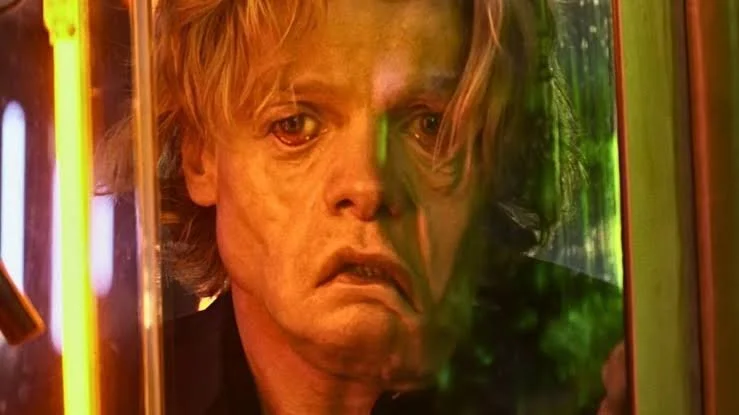
Synopsis: Based on the Matt Hagen version of the DC character, Clayface follows a rising Hollywood star whose face is horribly disfigured. Desperate to restore his appearance, he turns to a scientist whose treatment transforms his body into a moldable, clay-like substance. As the treatment unravels his sanity, Matt begins losing his identity and descends into a gruesome quest for revenge.
Review:
When Clayface was announced as a priority project for the newly established DC Studios, I was pretty surprised. Then I learned Mike Flanagan was writing the screenplay, and that piqued my interest. One of the most prominent horror filmmakers working today taking on a Batman villain? That was an unexpected combination. Once it became clear this would be a full-on horror film, though, the decision made a lot more sense. After seeing the film, I can understand the appeal. Clayface surprised me in a good way. It probably won’t end up being one of my most memorable movies of the year, but I had a good time with it. A strong lead performance and some effectively nasty body horror go a long way, even when the story leaves certain ideas underdeveloped.
Tom Rhys Harries plays Matt Hagen, a rising actor whose looks are a major part of his success. That future comes crashing down when mobster Markos Szabo (David Dencik) has Matt’s face mutilated after Matt sleeps with his girlfriend. Having avoided almost everything beyond the teaser trailer, I was surprised by that direction. I initially expected her to become Matt’s love interest, so the way their encounter turns against him caught me off guard.
The attack is only the beginning of Matt’s problems. These are the kinds of Gotham gangsters who can buy their way out of almost anything, and Szabo makes sure Matt has little chance of holding him accountable. The cops are corrupt, people can be paid off, and even Szabo’s girlfriend publicly turns against Matt. She claims he drunkenly approached her at the club, contradicting the encounter we saw. His appearance, career, and credibility are stripped away, leaving him with nowhere to turn.
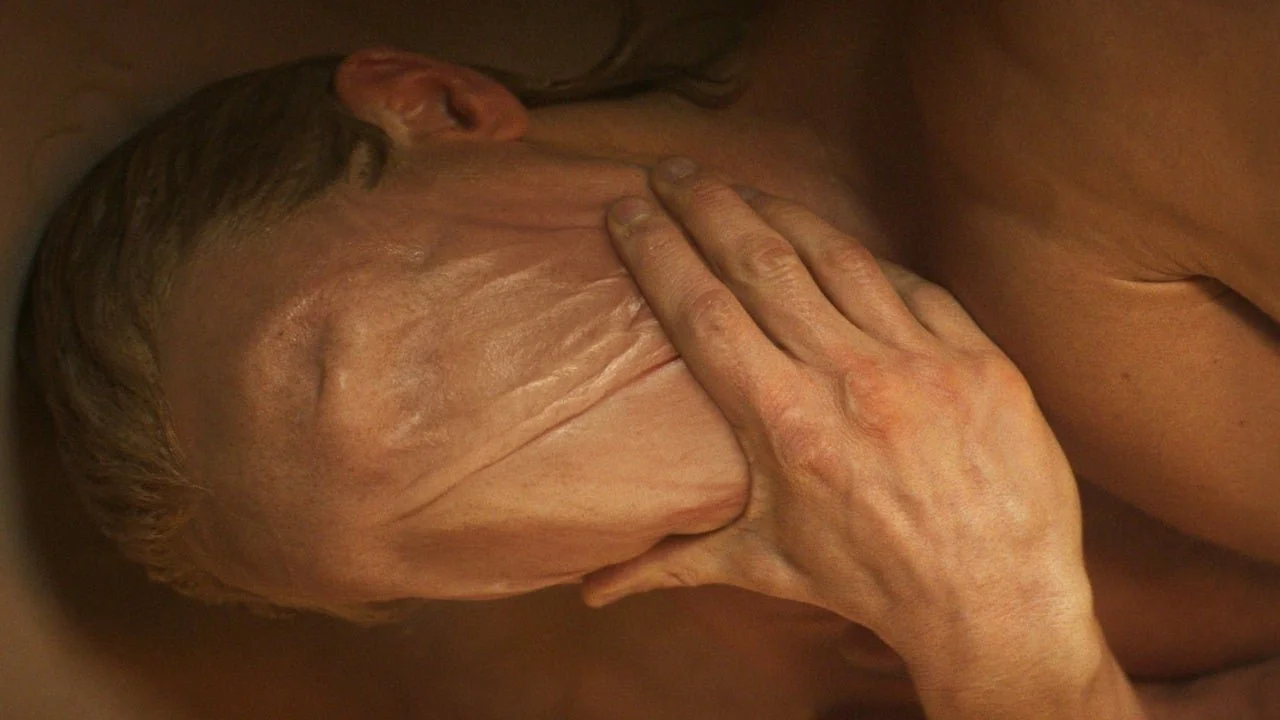
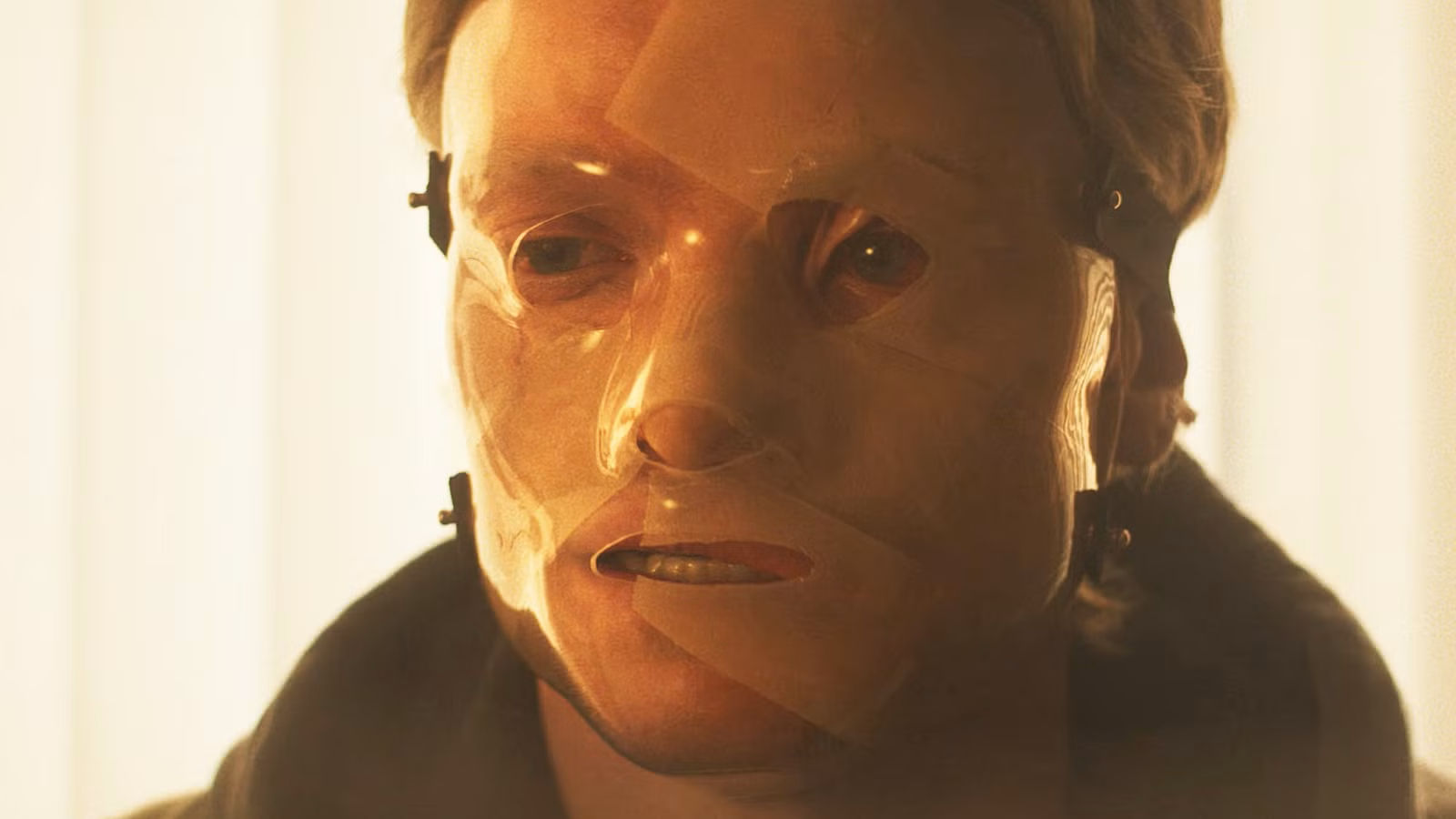
That isolation is where Clayface finds its most interesting material. Matt has built his life around being seen and admired, but losing his looks exposes how little he understands himself beyond that image. People ask him who the real Matt is, and he never seems capable of giving them an answer. His transformation makes that question increasingly unsettling: how do you hold on to an identity you weren’t sure of in the first place? The tagline, “Look fear in the face,” works well in that context. Matt struggles with both his reflection and the person underneath it. His need for external validation makes him vulnerable and his relationships pull him further into dependence and isolation. That also helps explain why he clings so tightly to Dr. Caitlin Bates (Naomi Ackie). She offers the possibility of getting his old life back at a point when he has almost nothing else.
Harries does a solid job of holding those pieces together. Matt can be vain and self-absorbed, but Harries still makes his desperation believable. I cared about what happened to him, which gives the horror more weight once his body begins slipping beyond his control.
The sound design deserves credit, too. The wet, gooey effects accompanying Matt’s transformation make the body horror pretty dang uncomfortable. There are several moments where what you hear is enough to make you wince before you fully process what you’re seeing. It adds a lot to the film’s “what the heck?” moments.
Where Clayface loses some of its impact is in the pacing and character development. Several scenes jump ahead a week, and I wanted more of what happened between them. Those gaps could have given us a better sense of Matt’s changing mental state and his growing dependence on the treatment. His past also feels less developed than it should. An early “We did it, Mom” suggests an important emotional connection, but the film never gives us much context for it. His conversations with Dr. Bates seem like natural opportunities to explore his family and the experiences that shaped him. Instead, his history is referenced without being explored enough to deepen our understanding of him.
I also wanted more from Gotham itself. The corruption is there, but the city rarely feels as distinctive or oppressive as it could. Maybe Matt Reeves’ The Batman spoiled me in that department, because Gotham felt like a character of its own. Here, the setting establishes why Matt can’t get help, but I wanted to feel more of the grime and atmosphere surrounding him.
Thankfully, the film delivers on its biggest attraction: the body horror. The violence is brutal, the transformations are appropriately disgusting, and several sequences will have audiences squirming. The final Clayface transformation is especially satisfying. I’m a big fan of the live-action design, and seeing the film fully embrace the monster is one of its strongest payoffs.
It also left me curious about how this version of Clayface might fit into the wider DCU. There’s a big tonal leap between this kind of graphic horror and a more broadly accessible superhero movie like Superman. If Matt crosses into those films, I hope the qualities that make him disturbing here carry over. This movie makes a good case for allowing DC’s characters to occupy different genres, and I’d like to see the studio keep exploring that range.
For DC fans interested in where this universe is heading, Clayface is worth checking out. I’d also say it’s worth a theater trip if you enjoy creature features and body horror. The story could use more depth, and some of its emotional threads deserve more attention, but Harries’ performance and the gruesome effects make it an entertaining night out.
It’s a solid, occasionally unsettling origin story that gives its monster enough humanity to make the transformation hurt.